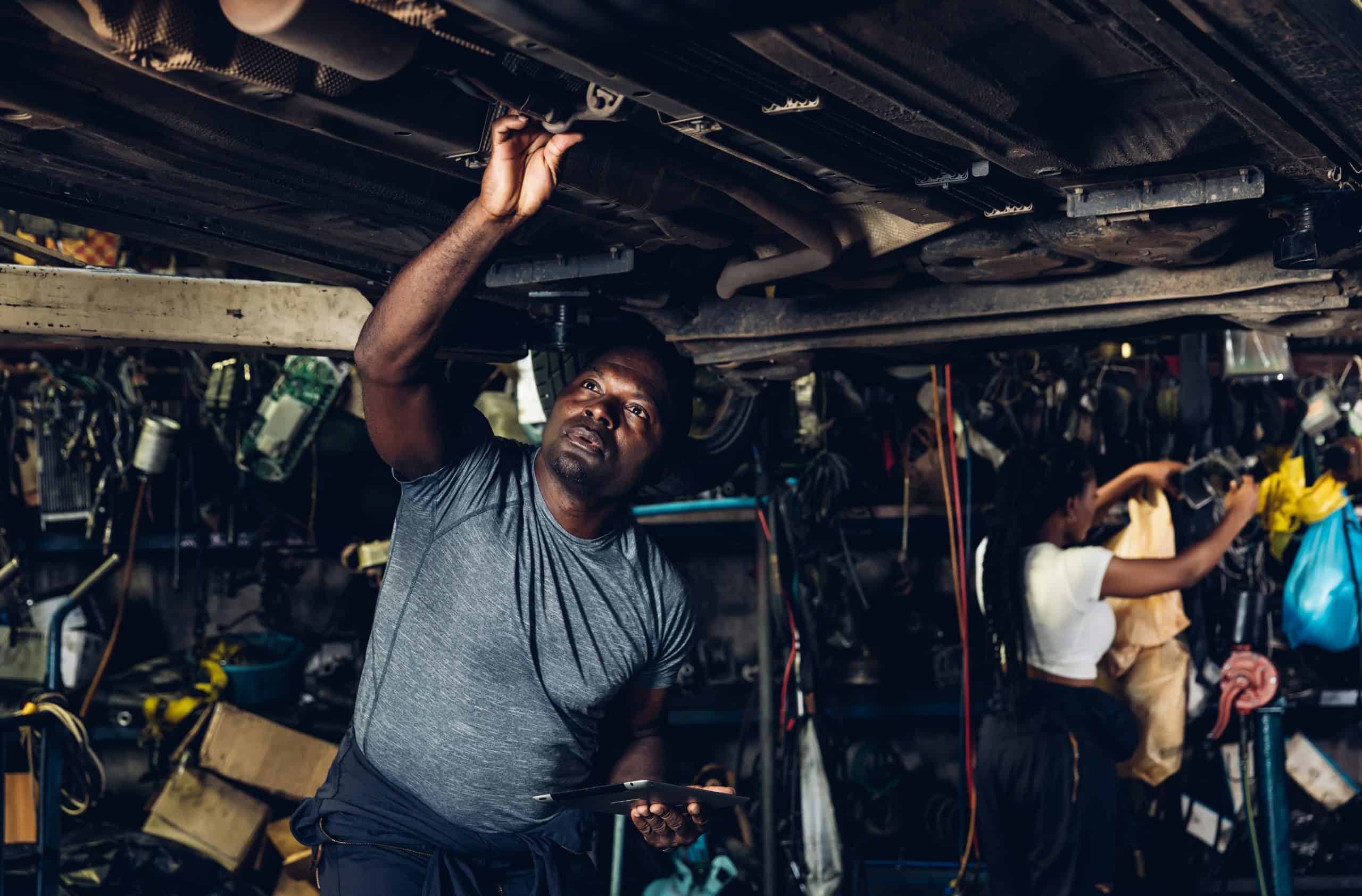
Equipment Downtime Prevention for NSW Truck and Excavator Operators
You’re three hours into a construction project when the delivery truck starts experiencing power loss and reduced performance. Crew’s standing around. Client’s watching. Another site booked this afternoon.
This is the moment every small business owner dreads.
Preventive equipment maintenance matters for business profitability. Everyone in the construction and transport industries knows this. However, understanding the importance of maintenance and actually implementing breakdown prevention strategies are entirely different things. Small equipment operators need practical maintenance systems that work in real operating conditions across New South Wales, summer heat (35-45°C), dusty construction sites with high particulate levels, and mixed equipment fleets combining delivery trucks (3-10 ton capacity), excavators (5-20 ton class), and construction machinery.
Most equipment maintenance guidance from manufacturers assumes ideal operating conditions, controlled environments, and moderate climates (15-25°C). That’s not operational reality for Australian tradespeople managing limited resources while simultaneously maintaining multiple equipment types, operating through NSW summer conditions exceeding 40°C, and balancing critical financial decisions between immediate preventive maintenance expenses (typically $500-$2,000 per service) and maintaining positive cash flow.
Preventing equipment downtime requires multiple integrated strategies: understanding complete breakdown costs. Developing maintenance schedules adapted to NSW conditions. For excavator operators specifically, following an expert-recommended excavator maintenance schedule optimized for Australian conditions ensures these critical earthmoving assets receive appropriate care intervals. Prioritising high-impact tasks. Making informed parts decisions. Recognising when to call professionals. Establishing emergency procedures. Documenting everything.
After decades of providing equipment service across Metropolitan Sydney, the Southern Highlands, and regional NSW, consistent patterns emerge. Operators who successfully avoid breakdowns maintain consistent schedules, detect problems early through inspections, and establish trusted supplier relationships before emergencies force rushed decisions.
Important note: All maintenance costs, service intervals, parts pricing, and financial examples in this guide are approximate figures based on 2025 NSW industry data and may vary significantly by equipment brand, supplier, location, and current market conditions. Individual equipment needs differ enormously. Always obtain current quotes from local suppliers and consult manufacturer specifications before making maintenance decisions.
Power Your Business with STM Trucks & Machinery
Whatever the size of your business, our experienced sales team will help you get the best from your budget.
Understanding What Downtime Costs Your Business
Most equipment operators significantly underestimate the complete financial impact of equipment breakdown costs. They calculate only direct repair invoices and replacement parts expenses. The complete economic impact covers all revenue-generating activities, crew productivity, and business opportunities that cease when equipment fails.
Calculating Your Daily Operating Revenue and Breakdown Impact
A 10-ton delivery truck might generate around $1,200 in billable revenue per day during normal operations (this is an example only; actual revenue varies significantly by business and region). Every 24-hour breakdown period means approximately $1,200 in lost income. But that’s just the beginning.
Equipment operators and crew members continue receiving wages regardless of whether the equipment operates productively. Compensating two equipment operators at approximately $400 each per day while the equipment is down? That’s roughly $800 in daily labour costs generating zero revenue. Total daily financial impact: approximately $2,000, combining lost revenue ($1,200) and unproductive labour costs ($800).
Customer relationships sustain damage, carrying substantial long-term consequences. Miss two scheduled deadlines within six months, and clients begin identifying backup contractor options. By the third instance, where equipment breakdowns negatively impact their projects? Off their preferred list. While equipment sits idle, businesses must decline new opportunities. Those declined projects transfer to competitors.
Hiring subcontractors at premium rates (typically $150-$250/hour depending on region and service type) to fulfil commitments during downtime adds direct expenses while eliminating normal profit margins (commonly 15-25%). For most small businesses operating on thin profit margins (typically 5-15% net profit), repeated equipment downtime creates compounding cash flow problems cascading through multiple business functions.
Why Reactive Maintenance Always Costs More Than Prevention
Emergency breakdown repairs include inherent cost multipliers that proactive scheduled maintenance completely avoids. After-hours mechanic labour rates typically increase substantially (often $120-$150/hour weekdays to $180-$250/hour for evenings, weekends, and holidays, though rates vary by provider and region). Weekend emergency calls often incur 50-100% premium charges. Expedited parts shipping accumulates rapidl:, same-day delivery (typically $50-$200), overnight shipping (often $30-$100),and emergency interstate sourcing (may reach $200-$500,) versus standard 2-5 day delivery at minimal cost.
Cascading secondary component damage from continued operation with known problems dramatically expands the repair scope. That minor engine oil leak (100-200ml per day) was ignored for weeks? The leaking oil migrated onto the clutch friction surfaces, causing complete clutch failure. Now replacing both the failed oil seal (typically $30-$80) and entire clutch assembly (often $800-$2,500 depending on equipment and supplier) instead of just fixing a seal.
The operational pattern proves consistent: reactive breakdown maintenance often costs 2-5 times what equivalent preventive maintenance would have cost (based on industry experience), when calculating complete expenses including downtime, emergency premiums, and secondary damage.
How Equipment Downtime Affects Business Reputation
Small business reputation develops gradually over the years, but sustains damage rapidly from isolated equipment reliability failures. A single problematic month experiencing multiple equipment breakdowns affecting 2-3 client projects can fundamentally undermine years of established positive perception. Reputation information spreads rapidly within tight-knit professional industries, construction trades, landscaping contractor networks, regional transport operations, and earthmoving communities.
Commanding premium pricing (often $120-$180/hour vs. $80-$120/hour standard market rates in many NSW regions, though rates vary significantly) demands that clients have absolute confidence in operational reliability. The businesses consistently securing premium billing rates aren’t necessarily operators with the newest equipment. They’re the ones that show up reliably, complete jobs on schedule, and don’t make excuses.
Building Your Maintenance Schedule Around Real Operating Conditions
Equipment manufacturer recommended service intervals are baseline starting points, not absolute requirements for all operating conditions. Effective maintenance schedules must specifically reflect your actual operational patterns, daily usage intensity, environmental conditions, load cycles, and terrain characteristics.
Adapting Manufacturer Intervals for NSW Climate and Terrain
Most equipment manufacturer maintenance recommendations assume moderate temperate climates (15-25°C) and clean operating environments. NSW construction sites, rural earthmoving, and regional transport work don’t conform to those assumptions.
Summer heat in NSW (regularly exceeding 35°C, occasionally reaching 45°C) places extreme stress on engine cooling systems, hydraulic oil coolers, and air conditioning. High temperatures can accelerate engine oil thermal breakdown by 20-30% or more compared to moderate climates, according to lubricant manufacturers. Cooling system inspections should increase from quarterly to monthly during the summer months.
Airborne dust on Australian construction sites overwhelms engine air filtration systems significantly faster than manufacturer calculations anticipate. Engine air filters may need monthly replacement (every 100-150 operating hours) in high-dust environments instead of quarterly intervals (every 250-500 hours).
Urban vs Rural Operating Differences
Urban operation involving frequent stops and short trips creates different maintenance needs than rural work. Urban trucks completing 20-30 short trips daily (2-5 km) never reach full operating temperature, preventing moisture from evaporating from the engine oil. Rural equipment covers longer distances (50-200 km routes) but encounters rougher road surfaces, which stress the suspension and drivetrain.
Coastal environments, within 10-20 km of the ocean, introduce salt-laden air that can accelerate metal corrosion by 2-3 times or more compared to inland operations. Equipment near Sydney coastal areas, such as Wollongong or Newcastle, needs weekly undercarriage pressure washing, whereas inland equipment needs monthly pressure washing.
Critical Maintenance Tasks That Prevent Most Breakdowns
Not all equipment maintenance tasks contribute equally to breakdown prevention. Certain critical services prevent the majority of common failures, while other tasks provide minimal reliability impact. Concentrate limited maintenance time (4-8 hours monthly per unit) and constrained budgets (typically $200-$500 monthly per unit) on maintenance tasks delivering measurable reliability improvement.
Fluid Services That Prevent Expensive Component Failures
Regular engine oil and filter changes at appropriate intervals (every 250-500 hours or 3-6 months) prevent the majority of engine-related failures (industry experience suggests 60-70%), including bearing damage, piston wear, and turbocharger failures. Contaminated engine oil can dramatically accelerate internal component wear (studies suggest by 300-500% or more) compared to clean oil.
Hydraulic fluid maintenance, regular changes (every 1,000-2,000 hours), contamination monitoring, filtration system service, prevents expensive hydraulic pump failures (typically $2,000-$8,000), cylinder seal damage (often $500-$2,000), and control valve rebuilds (commonly $1,500-$5,000). Engine coolant service, complete fluid replacement every 2-3 years, prevents overheating incidents, internal corrosion, and water pump seal failures. Transmission and differential oil changes at manufacturer-specified intervals (every 50,000-100,000 km or annually for severe service) can extend drivetrain component life significantly (often by 40-60% based on industry data) compared to neglected service.
Filter Replacements That Protect Critical Systems
Engine air filter replacements protect turbochargers, cylinder walls, piston rings, and valve seats from abrasive dust particle damage. Severely clogged air filters (with greater than 50% restriction) can reduce engine power by 10-20% and increase fuel consumption by 15-25%, according to equipment manufacturers. Fuel filter replacements (changed every 250-500 hours) prevent injection system contamination, which can damage high-pressure fuel pumps (typically $2,000-$6,000) and precision fuel injectors (often $400-$800 each, varying by equipment brand).
Inspection Points That Catch Problems Early
Regular belt tension and condition inspections (weekly visual checks, monthly tension measurements) prevent unexpected belt failures that can cause immediate equipment shutdown. Systematic hose and connection inspections, checking for seepage, deterioration, abrasion damage, fitting looseness, and identifying developing leaks before progression to complete hose rupture.
Daily tyre pressure monitoring (maintaining 80-120 PSI specifications) and tread wear inspections prevent catastrophic blowouts, may improve fuel efficiency by 3-5%, and can extend tyre life by 15-20% according to tyre manufacturers. Quarterly battery condition testing, measuring voltage under load (should maintain greater than 12.4V), checking corrosion, testing charging output (13.8-14.4V at idle), and preventing unexpected no-start situations. Monthly brake system inspections, checking pad thickness (minimum 3-4mm), rotor condition, hydraulic fluid levels, ensuring safe stopping capability and preventing brake failures.
Making Smart Decisions About Parts Quality and Sourcing
Replacement parts quality decisions significantly impact both immediate repair expenses (typically $50-$5,000, depending on the component) and long-term equipment reliability over 3-5-year periods. The lowest-priced replacement parts from unknown suppliers don’t consistently deliver the best value when considering failure rates, warranty coverage, and the need for premature replacements.
Understanding OEM Versus Aftermarket Parts Trade-offs
Genuine OEM parts guarantee perfect compatibility, manufacturer warranty protection, and consistent quality control. They typically cost 30-100% more than aftermarket alternatives, a $200 aftermarket part versus $350-$400 OEM equivalent (actual pricing varies by component and supplier). Manufacturer warranty coverage (commonly 12-36 months or 1,000-3,000 hours) demands genuine OEM parts for all warranty-covered repairs; using aftermarket components voids remaining warranty protection entirely.
Premium aftermarket brands (Donaldson filters, Gates hoses, Bendix brake components) often match or exceed OEM specifications at typical cost savings of 20-40% while providing acceptable service life and warranty coverage (commonly 6-12 months). Budget aftermarket parts from unknown suppliers often create false economy; initial cost savings of 50-60% may disappear through premature failures, potentially needing replacement every 6-12 months versus 24-36 months for quality parts.
When to Use Genuine Parts vs Quality Aftermarket
Safety-critical components, brake system parts, steering components, structural fasteners, suspension elements, deserve genuine OEM parts. High-stress drivetrain components, clutches, transmission synchronizers, and differential gears perform most reliably with genuine OEM quality parts engineered for specific torque loads. Filters and consumable routine maintenance parts, engine oil filters, air filters, fuel filters, cabin filters, hydraulic filters, perform reliably using premium aftermarket brands (Donaldson, Wix, Baldwin) at typical cost savings of 20-30% versus OEM.
Building Relationships With Reliable Parts Suppliers
Long-term supplier relationships matter as much as component quality. They affect parts availability, technical support, pricing, and emergency supply capability. Rapid parts availability, same-day pickup, next-day delivery, and emergency after-hours access reduce equipment downtime from 3-5 days to under 24 hours. Knowledgeable technical support prevents ordering wrong parts, causing delays and restocking fees (typically 15-25%, varying by supplier). Established account relationships may provide preferential pricing (commonly 10-20% discounts), priority order processing, and flexible payment terms (often 30-60 day accounts, varying by supplier). Maintaining active relationships with 2-3 parts suppliers prevents sole-source dependency when primary suppliers face stock shortages or backorders.
Knowing When Repairs Need Professional Expertise
Not all equipment maintenance tasks suit do-it-yourself approaches. Certain repairs exceed typical operator capabilities. Professional repair services, while appearing more expensive upfront (typically $800-$2,500 labour, varying by repair complexity and provider), often cost less than DIY attempts when factoring in incorrect diagnosis, damaged components, specialised tool purchases (often $2,000-$50,000), extended downtime, and safety incident risks.
Tasks Suitable for In-House Maintenance
Routine fluid service tasks, engine oil changes, coolant replacement, hydraulic fluid top-ups, and differential oil changes remain well within typical equipment operator capabilities. Filter replacement procedures, spin-on oil filters, cartridge air filters, fuel filter elements, hydraulic tank return filters, follow straightforward mechanical procedures documented in operator manuals. Daily and weekly visual inspections, checking fluid levels and leaks, inspecting hoses and belts for damage, monitoring tree pressure and condition, catching obvious developing problems before progression to failures.
Repairs That Need Professional Service
Engine internal repairs, piston and ring replacement, connecting rod bearing installation, cylinder head removal and valve jobs, demand specialised knowledge including precise measurement techniques (using micrometres, bore gauges), proper torque sequences, and understanding clearance specifications (typically 0.001-0.003 inches for bearings). Transmission overhaul procedures, complete disassembly, gear and synchronizer inspection, bearing replacement, and reassembly with precise shimming, exceed most equipment operator capabilities due to complexity and specialized tools.
Hydraulic pump and motor rebuilds demand extreme contamination control procedures, working in clean environments, using filtered assembly oil, replacing all seals and bearings, which field conditions and typical workshops cannot provide adequately. Electrical system diagnostics, tracing wiring faults, testing sensors and actuators, diagnosing computer control modules, need proper testing equipment including diagnostic scan tools (typically $2,000-$15,000), oscilloscopes for signal analysis, and manufacturer-specific software.
Emissions system repairs on modern diesel equipment, DPF (Diesel Particulate Filter) regeneration, EGR (Exhaust Gas Recirculation) valve service, DEF (Diesel Exhaust Fluid) system diagnosis, and demand specialised diagnostic scanners reading manufacturer-specific trouble codes. Structural welding repairs on heavy equipment frames, booms, and load-bearing components call for AWS (American Welding Society) certified welders trained in high-strength steel welding to prevent catastrophic structural failures under load.
Preparing for Emergency Breakdowns
Preventive maintenance programs won’t prevent 100% of equipment breakdowns. Unexpected component failures, manufacturing defects, and sudden damage from operating conditions still occur, needing emergency response capabilities.
Emergency Service Provider Relationships
Establish working relationships with qualified service providers, mobile mechanics, hydraulic specialists, parts suppliers like STM Trucks & Machinery, equipment rental companies, before emergency breakdowns force hurried decisions under pressure. Identify which service providers offer genuine after-hours emergency response, actual technician callout with tools and diagnostic equipment within 2-4 hours, not answering services scheduling next-day appointments.
Maintain current contact information for mobile hydraulic services, mobile diesel mechanics, and field service technicians capable of performing on-site emergency repairs rather than needing equipment transport to workshops (potentially saving $400-$1,200 in towing costs, though actual costs vary by distance and provider). Understand emergency service pricing structures before needing urgent repairs, including minimum service call charges (commonly $250-$500, varying by provider) and parts expediting fees.
Backup Equipment and Subcontractor Options
Established relationships with equipment rental companies, maintaining active accounts, understanding available inventory, knowing delivery timeframes (typically 24-48 hours), providing temporary equipment coverage during major repairs, taking 5-10 days or longer. Professional subcontractor networks, other operators with compatible equipment willing to accept overflow work at negotiated rates (typically $100-$150/hour, varying by equipment type and region), offer the capability to fulfil client commitments during equipment downtime.
Dedicated financial reserves specifically for emergency equipment repairs (commonly $5,000-$15,000 depending on fleet size and equipment type, though needs vary by business), separate from operating cash flow, prevent business cash flow crisis when facing unexpected repair invoices (often $3,000-$8,000 for major failures).
Documentation That Protects Your Business
Comprehensive maintenance documentation and service records prove business due diligence for insurance claims, warranty disputes, regulatory inspections, resale situations, and legal liability matters.
Essential Records to Maintain
Keep detailed service logs for each piece of equipment. Document dates performed, services completed, parts replaced (with part numbers), operating hours, who did the work, and what it cost. Complete repair invoices from professional services and parts purchase receipts, proving genuine OEM parts usage for warranty claims, tracking expenditures for tax purposes, and establishing service history for equipment resale.
Warranty documentation for major component replacements, engines, transmissions, hydraulic pumps, turbochargers, including warranty terms, coverage periods (commonly 12-36 months), and claims procedures. Professional inspection reports from annual safety inspections or specialised assessments, identifying developing problems, providing actionable maintenance priorities, and demonstrating proactive equipment management. Equipment operator certification and training documentation, licensing information, safety training completion records, and manufacturer-specific operation training, demonstrating that qualified personnel operate equipment properly.
Turning Maintenance Plans Into Daily Reality
Understanding maintenance needs doesn’t prevent equipment downtime unless you systematically implement consistent daily practices, enforce compliance standards, and integrate maintenance into operational culture.
Making Maintenance Part of Operational Culture
Leadership example from business owners and management personnel sets organisational maintenance standards. When leaders consistently prioritise equipment care despite production pressures, operational staff follow. Equipment operator accountability systems for completing daily pre-operation checks, visual inspections, fluid level verification, functional tests, with documented verification (signed checklists, digital app completion records), create a first-line defence against breakdowns.
For excavator operators, implementing practical methods for inspecting excavator attachments for wear and damage as part of daily pre-operation routines prevents costly attachment failures that compromise productivity.
Consistent enforcement of established maintenance standards without exceptions, addressing missed daily checks, investigating deferred services, and correcting procedural violations, prevents operational shortcuts that compromise long-term equipment reliability. Formal recognition programs acknowledging operators who consistently catch developing problems early and demonstrate exceptional equipment care, through performance reviews, bonuses, or public acknowledgement, encourage continued attention to maintenance priorities.
Budget Planning for Maintenance Investment
Forecast realistic annual maintenance expenditures based on equipment age (newer equipment typically $2,000-$4,000 annually, mid-age equipment often $4,000-$8,000, older equipment commonly $8,000-$15,000, though costs vary significantly), usage intensity, and historical spending patterns. Allocate monthly budget reserves specifically for routine maintenance services (typically $200-$600 monthly per equipment unit, depending on size and usage), treating maintenance as a planned recurring expense rather than an unexpected cost.
For operators with new commercial trucks, understanding what’s covered under new truck warranties and for how long helps maximize manufacturer protection and reduce out-of-pocket maintenance expenses during coverage periods.
Build separate financial reserve funds accumulating monthly contributions (commonly $100-$300 per unit) specifically for anticipated major overhauls, engine rebuilds (typically $8,000-$25,000), transmission replacements (often $5,000-$15,000), and hydraulic system refurbishments (commonly $3,000-$10,000). Calculate accurate cost-per-operating-hour metrics, dividing total annual maintenance and repair expenses by actual operating hours recorded, revealing true equipment ownership costs (typically $15-$50 per operating hour depending on equipment type, age, and maintenance quality) that guide replacement timing decisions.
Measuring Whether the Prevention Strategy Works
Systematic downtime tracking comparing current quarterly or annual performance against baseline periods, measuring total downtime days, frequency of breakdown incidents, and average repair duration, provides objective evidence whether preventive strategies actually reduce equipment unavailability. Calculate emergency repair expenditures as a percentage of total annual maintenance spending. Industry best practices suggest targeting ratios below 20-30% emergency/reactive work versus 70-80% planned preventive maintenance, tracking whether business successfully shifts from reactive breakdown response toward proactive prevention.
Adjusting Approach Based on Results and Experience
Conduct formal quarterly or annual maintenance program reviews, analysing downtime data, reviewing failure patterns, assessing expenditures against budget, gathering operator feedback, and systematically identifying which preventive strategies demonstrate measurable effectiveness. Failure analysis, identifying schedule gaps, specific missed services, extended intervals, or overlooked systems, reveals whether breakdowns stem from inadequate maintenance frequency or schedule design flaws.
Continuous improvement philosophy treats equipment maintenance as an evolving program needing regular refinement, adapting service intervals based on actual component performance, incorporating new diagnostic technologies, learning from failures, and modifying procedures based on accumulated operational experience.
Putting Downtime Prevention Strategy to Work
This framework gives you clear direction: Calculate complete downtime costs. Develop maintenance schedules adapted to NSW conditions, not generic manufacturer intervals. Prioritise high-impact tasks. Balance parts quality with cost. Know which repairs stay in-house and which need professional expertise. Establish emergency preparations before breakdowns force rushed decisions.
Equipment reliability is a core business strategy directly affecting profitability, client relationships, and competitive positioning. The small businesses consistently thriving in NSW construction, transport, and earthmoving markets treat equipment care as a fundamental operational discipline, not occasional attention.
Start now: Calculate your specific downtime costs per equipment unit. Schedule all overdue maintenance immediately. Establish relationships with qualified service providers, mobile mechanics, hydraulic specialists, and parts suppliers like STM Trucks & Machinery, before emergencies force hurried decisions under pressure. Document current equipment condition. Implement daily pre-operation checks immediately.
Success doesn’t demand perfect execution or unlimited budgets. It comes from consistent attention to fundamentals, catching developing problems when repairs remain simple and inexpensive, not after catastrophic failures force expensive emergency interventions.
Final note: This guide is for informational purposes only, not professional mechanical advice, financial guidance, or business consulting. All costs, service intervals, percentages, and financial examples represent approximate figures based on 2025 NSW industry research and experience. Actual maintenance needs, costs, service intervals, and results differ significantly by equipment brand, model, operating conditions, supplier, location, regulatory requirements, and individual circumstances. Market conditions, parts availability, and pricing change frequently. Always consult manufacturer specifications, obtain current quotes from local suppliers and service providers, verify current regulatory requirements, and seek guidance from qualified professionals for equipment-specific maintenance decisions and business planning.