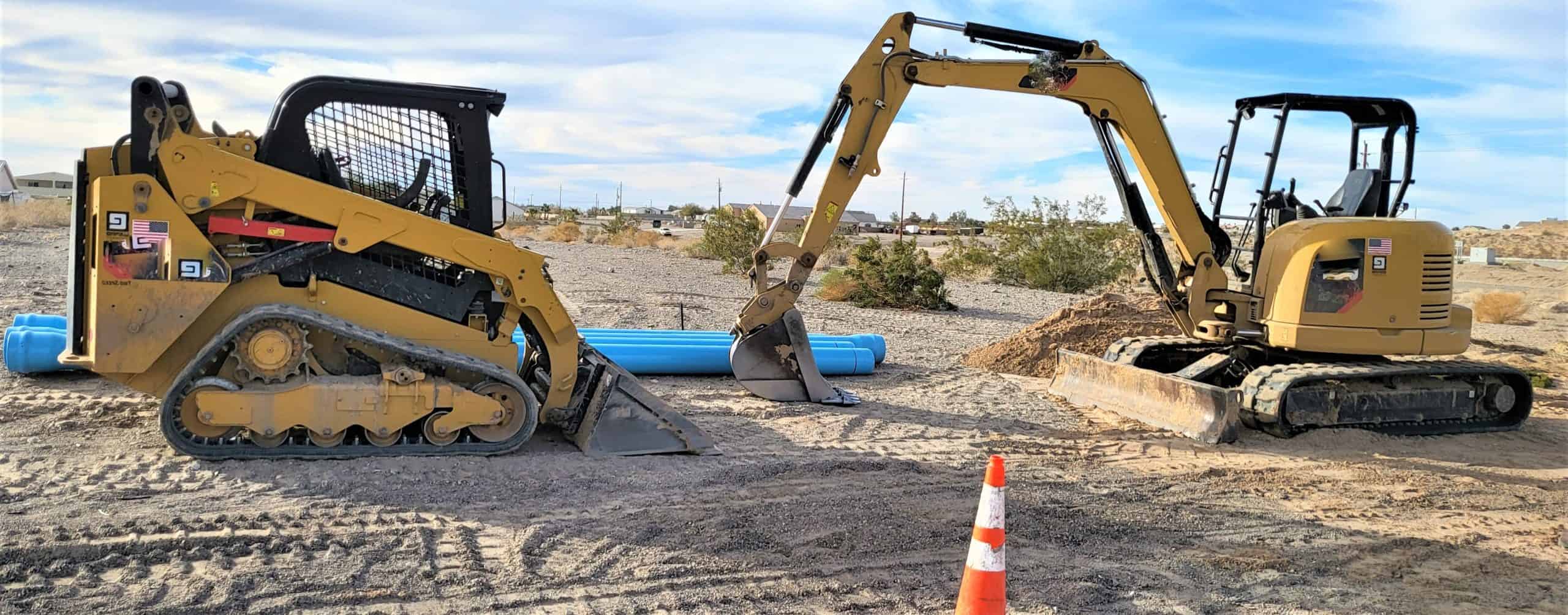
Excavator accidents kill and injure workers on Australian construction sites every year. Poor safety practices cause tip-overs, electrocution, struck-by incidents, and underground utility strikes. These accidents claim lives and create massive legal and financial problems for businesses.
Excavators combine immense hydraulic power with limited visibility in complex work environments. Understanding excavator fundamentals becomes essential when safety is absolutely critical – there’s no room for mistakes when you’re operating these machines.
This guide covers the protocols, procedures, and best practices you need to protect excavator operators and everyone working around them. From daily inspections to emergency responses, these guidelines establish the safety framework that prevents accidents and keeps operations running safely and legally.
Understanding Excavator Hazards and Risk Assessment
Tip-over accidents are the leading cause of excavator operator fatalities. They occur when operators work too close to trench edges, operate on unsupported soft ground, or exceed stability limits. Unstable ground, improper loading, or exceeding slope limits can tip an excavator in seconds.
Struck-by incidents injure ground workers who enter the machine’s operating area without proper communication. The boom, bucket, or materials strike people in the danger zone. Rotating excavators create constantly shifting hazard areas.
Electrocution happens when excavators contact overhead power lines or underground electrical utilities. Hydraulic fluid and metal construction can conduct electricity, energising the entire machine and its surrounding area.
Underground utility strikes cause gas explosions, electrical hazards, water main breaks, and telecommunications disruptions. These result from poor utility location, improper digging techniques, or failing to maintain safe distances around marked utilities. Hitting a gas line can kill everyone on site; hitting electrical lines can electrocute the operator.
Risk Assessment and Hazard Identification
Site Assessment: Start every job with a systematic risk assessment. Map all hazards, including overhead power lines, underground utilities, unstable ground, traffic patterns, and environmental factors.
Exclusion Zones: Establish zones around operating excavators based on maximum reach plus safety margins. Account for boom movement, material handling, and equipment failure scenarios.
Weather Monitoring: Check wind speeds, rain, temperature extremes, and lightning risks that affect operator visibility, machine stability, and electrical safety.
Ground Evaluation: Assess soil stability, bearing capacity, drainage, and failure potential. Monitor continuously throughout the job as conditions change with weather, excavation progress, and equipment loading.
Critical Warning: Ground can fail without warning. Wet weather, heavy equipment, or machine vibration can turn stable soil into a hazard. Stay alert to changing conditions.
Pre-Operation Safety Checks and Inspections
Daily Equipment Inspection Checklist
Hydraulic System: Check for leaks, proper fluid levels, hose condition, and cylinder operation. Look for fluid stains, damaged hoses, loose connections, or unusual noises indicating system failure. Test all hydraulic functions before operating.
Critical Warning: Hydraulic failure can be fatal. Blown hoses can spray fluid at pressures high enough to penetrate the skin, and failures can cause sudden, uncontrolled movement of the boom or bucket.
Tracks/Tires: Inspect for wear patterns, damage, and proper tension. Remove debris. Worn tracks reduce stability and traction; damaged tires can fail suddenly. Follow the manufacturer’s tension specifications.
Engine Compartment: Check oil levels, coolant condition, belt tension, air filter cleanliness, and battery condition. Ensure adequate fluid levels and inspect for leaks that could cause fires or operational failures.
Control System: Test all joysticks, switches, warning lights, and safety devices. Controls should operate smoothly without binding, and safety systems like emergency stops must function correctly.
Cab Safety: Verify seatbelts, door latches, window condition, ROPS/FOPS integrity, and emergency exit accessibility. Ensure safety glass remains intact.
Power Your Business with STM Trucks & Machinery
Whatever the size of your business, our experienced sales team will help you get the best from your budget.
Documentation and Compliance Requirements
Document everything you check, any problems you find, and what you did about them in daily inspection records. Keep inspection logs for regulatory compliance and maintenance scheduling. Include operator signatures and supervisor verification where required.
Verify that operators meet current certification requirements as detailed in the Training, Certification, and Competency section.
Review maintenance documentation, including service records, repair history, and any outstanding work orders that might affect safe operation. Look over recent maintenance activities and make sure any safety-critical repairs got completed before operating.
Verify you’re following work health and safety requirements, environmental permits, and local operating restrictions. Understanding current excavator permit and regulatory requirements ensures all necessary approvals remain valid.
Don’t skip the paperwork – it’s not just bureaucracy. These records protect you legally and help track problems before they become accidents.
Personal Protective Equipment and Operator Safety
Essential PPE Requirements for Excavator Operations
Hard Hats: Must meet Australian standards with chin straps for a secure fit during equipment operation. Use impact-resistant helmets with electrical hazard ratings when working around power lines. Properly fitted chin straps are essential – hard hats won’t help if they fall off.
High-Visibility Clothing: Wear reflective vests or coveralls that meet Australian standards, with appropriate colour combinations for the site and traffic conditions. If people can’t see you, they can’t avoid you – applies to both operators and ground workers.
Safety Footwear: Requires steel toes, puncture-resistant soles, and electrical hazard protection. Choose boots with good traction for equipment climbing and adequate ankle support for uneven terrain.
Eye Protection: Use safety glasses or goggles that are rated for both impact resistance and UV protection. Consider anti-fog coatings for protection against weather changes and side shields for complete coverage.
Hearing Protection: Required in high-noise environments or when operating attachments, such as breakers. Select appropriate noise reduction ratings based on measured sound levels and exposure duration.
Cab Safety Features and Operator Protection
ROPS/FOPS Systems: Roll-Over Protection Structure and Falling Object Protection Structure provide critical protection during tip-overs and falling debris incidents. Check structural integrity regularly and never modify without the manufacturer’s approval. These create survival space during accidents – modifications can compromise effectiveness and prove fatal.
Seatbelts: Mandatory during all excavator operations, including short movements or repositioning. Proper adjustment and use prevent ejection during tip-overs or sudden impacts.
Cab Maintenance: Keep doors latched during operation to prevent accidental opening. Maintain clear escape routes and clean windows for maximum visibility and emergency exit capability.
Emergency Controls: Engine shutdown, hydraulic lockout, and emergency lowering must remain easily accessible and clearly marked. Test systems regularly and ensure all operators know locations and proper use.
Critical Point: In emergencies, you must shut down quickly without hunting for controls or trying to remember their location.
Site Preparation and Hazard Management
Underground Utility Location and Protection
Dial Before You Dig: Contact utility location services at least two working days before excavation – this is mandatory, not optional. Keep location records throughout the project.
Hand Digging Requirements: Manually excavate near marked utilities using approved hand tools. Maintain proper clearances:
- 500mm for gas lines
- 300mm for low-voltage electrical
- 600mm for high-pressure gas and high-voltage electrical
Maintain these clearances throughout excavation and backfill operations.
Emergency Preparedness: Keep utility company emergency contact information readily available on-site for immediate notification if utilities are struck or damage is suspected. Include both emergency and business hour numbers.
Critical Warning: Hitting utilities can cause neighbourhood shutdowns, explosions, or electrocution. The few minutes spent locating utilities properly can save lives and prevent massive liability.
Overhead Hazard Assessment and Management
Power Line Safety: Maintain minimum clearances based on voltage levels, typically 3 metres for low-voltage lines and up to 8 metres for high-voltage transmission lines. These distances apply to all excavator parts, including extended attachments.
Exclusion Zones: Maintain established electrical hazard areas where indirect contact might occur through conductive materials, hydraulic fluid streams, or structural components.
Crane Coordination: Establish clear protocols for crane and lifting operations near excavators, including communication methods, priority assignments, movement restrictions, and operational boundaries.
Structural Survey: Assess building clearances and overhead obstructions, including bridges, canopies, and structures that could interfere with excavator operation or create falling object hazards.
Critical Warning: Electricity will kill you if you get too close, and “too close” is further away than most people think.
Ground Stability and Working Surface Preparation
Continuous Monitoring: Watch for ground movement, cracking, or settlement, indicating changing conditions throughout operations. Consider soil type, moisture content, loading conditions, and environmental factors as work progresses.
Trench Safety: Follow proper sloping, shoring, or benching protocols based on soil conditions and depth requirements. Never operate excavators too close to trench edges without adequate setback distances.
Ground Protection: Use matting systems, gravel pads, or engineered surfaces to distribute equipment weight and prevent ground damage. Size protection systems appropriately for equipment loads and ground conditions.
Emergency Protocols: Establish procedures for immediate suspension when instability develops.
Critical Warning: Ground conditions change constantly. What was stable this morning might not be stable this afternoon, especially after rain, equipment vibration, or additional loading from excavated material.
Safe Operating Procedures and Best Practices
Startup and Shutdown Procedures
Engine Startup: Follow proper protocols, including pre-start inspections, fuel system checks, and warming procedures per manufacturer specifications. Allow adequate hydraulic system warm-up time and monitor all gauges during startup.
Critical Warning: Cold hydraulic fluid causes jerky, unpredictable movements. Proper warm-up isn’t just better for the machine – it’s safer for you.
Control Testing: Test all joysticks, switches, and safety devices before working. Verify travel controls, hydraulic functions, and attachment operations respond correctly.
Operational Readiness: Ensure proper machine setup including blade position, attachment selection, and stability configuration for planned work.
Safe Shutdown: Position the machine correctly, depressurise the hydraulic system, allow engine cooling, and secure against unauthorised use. Lower attachments to ground level, engage parking brakes, and lock the machine.
Shutdown Warning: Improperly secured machines can roll away, drop attachments, or be started by unauthorised operators. Take extra minutes to shut down safely.
Operating Techniques for Maximum Safety
Stable Positioning: Maintain the excavator on level ground with proper weight distribution and blade placement. Don’t exceed manufacturer’s slope limits – these are based on physics and testing, not suggestions. Exceeding them can cause tip-overs.
Load Handling: Stay within rated capacities, keep loads stable, and use proper lifting techniques. Calculate lift capacity at the actual working radius and account for dynamic loading effects when swinging or moving loads.
Travel Safety: Use reduced speeds, proper track positioning, and maintain awareness of ground conditions. Keep buckets low during travel and avoid sudden direction changes on uneven terrain.
Attachment Operation: Understand each attachment’s capabilities, limitations, and specific safety requirements. Ensure proper installation and use appropriate operating techniques for each tool type.
Critical Point: Different attachments change machine behaviour. A breaker makes the machine less stable than a bucket. Know these differences and adjust operating technique accordingly.
Visibility and Situational Awareness
Manage blind spots with proper mirror adjustment, camera system use, and spotter placement for full coverage. Understand where your excavator’s blind spots are and have procedures for managing these areas safely.
Every excavator has blind spots where you can’t see people or obstacles. Know where yours are and never assume these areas are clear.
Establish clear communication protocols with ground personnel. Develop situational awareness techniques, including regular safety sweeps, hazard monitoring, and environmental assessment throughout operations. Create systematic observation patterns and hazard recognition skills.
Communication and Coordination Protocols
Ground Personnel Communication Systems
Radio Protocols: Establish designated channels, standard terminology, and emergency frequencies. Maintain radio discipline and confirm critical communications – don’t assume messages are heard correctly.
Backup Systems: Radio systems fail, batteries die, and interference happens. Have backup communication methods ready when technology fails.
Hand Signals: Provide backup for radio failure or high-noise environments. Ensure everyone understands standard construction hand signals and can maintain visual contact when needed.
Spotter Requirements: Train spotters in proper positioning for optimal visibility, hazard awareness, and communication techniques. Spotters must have the authority to stop work when dangers develop.
Critical Authority: A spotter without stop authority is useless. They must know that they can shut down operations immediately if they see danger, without hesitation.
Exclusion Zone Enforcement: Enforce established zones with clear markings, access controls, and continuous monitoring to prevent unauthorised entry into hazardous areas.
Active Prevention: People will enter exclusion zones if not actively prevented. Barriers and signs aren’t enough – someone must actively watch and control access.
Multi-Equipment Coordination and Traffic Management
Priority Systems: Establish right-of-way rules when multiple machines operate in shared areas. Develop clear protocols for movement coordination and conflict resolution.
Movement Planning: Plan routes, timing coordination, and safety clearances between equipment. Avoid multiple machines working in overlapping areas simultaneously.
Critical Rule: When two machines work close together, one must stop and wait. There’s no safe way to have excavators operating in each other’s swing radius simultaneously.
Traffic Control: Use appropriate signage, barriers, and personnel to maintain safe separation between vehicles, pedestrians, and construction operations.
Coordination Meetings: Ensure all operators understand work plans, safety requirements, and communication procedures before starting complex or multi-phase operations.
Planning Warning: Don’t assume operators will coordinate naturally. Plan it, discuss it, and ensure everyone understands their role before work starts.
Emergency Procedures and Incident Response
Emergency Shutdown and Evacuation Procedures
An emergency shutdown differs from a normal shutdown in that it requires immediate action, including the emergency engine stop, hydraulic lockout, and equipment securing procedures, which must be performed as quickly as possible. Practice emergency shutdowns regularly so you can do them automatically under stress – you won’t have time to think when things go wrong.
In a real emergency, you need muscle memory. If you have to think about which controls to hit or what order to do things, you’ll waste precious seconds that could save lives.
Keep evacuation routes clear and accessible at all times with designated meeting areas at safe distances from operating equipment. Mark evacuation routes clearly and run regular drills so everyone knows where to go.
Establish clear emergency signals, including audio and visual warning systems that alert everyone to immediate dangers. Make sure everyone understands what different signals mean – confusion during an emergency gets people killed.
Set up communication procedures including emergency contact protocols, who to notify up the chain of command, and how to contact external emergency services.
Accident Response and First Aid Protocols
Immediate response priorities are scene safety first, then injury assessment, and calling emergency services. Secure equipment and establish safety perimeters before helping injured people.
You can’t help anyone if you become a victim too. Make sure the scene is safe before you enter it, even if someone is hurt.
Have first aid requirements covered, including trained personnel on site, adequate medical supplies, and emergency transportation arrangements. Keep first aid certifications current and medical kits easily accessible.
Preserve incident scenes by securing accident areas, protecting evidence, and documenting conditions for investigation. Don’t disturb scenes except for safety reasons.
Follow notification procedures, including immediate supervisor contact, safety officer notification, and regulatory reporting as required by your jurisdiction and accident severity.
The first few minutes after an accident determine how bad things get. Having clear procedures and trained people ready can mean the difference between a minor incident and a tragedy.
Training, Certification, and Competency
Operator Licensing and Certification Requirements
Australian licensing requirements vary by state but typically include written exams, practical assessments, and medical fitness evaluations. Keep certifications current and understand renewal requirements – expired licenses mean you can’t legally operate equipment.
Don’t let certifications lapse. Getting recertified after expiration is often more complicated and expensive than just renewing on time.
Competency assessment covers machine-specific skills, safety knowledge, and operational proficiency. Regular assessment ensures operators stay competent and identifies when additional training is needed.
Just because someone has a license doesn’t mean they can safely operate every type of excavator. Different machines have different characteristics and handling requirements.
Endorsement requirements may include specific machine types, attachment operations, or specialised applications. Make sure operators have the right endorsements for the equipment they’re assigned and the tasks they’re doing.
Keep detailed records, including certification tracking, training documentation, and competency maintenance records for regulatory compliance and operational assurance.
When the safety inspector shows up, they’ll want to see current certifications and training records. Missing or expired documentation can shut down your operation immediately.
Ongoing Training and Safety Refreshers
Continuing education keeps operators current with technology changes, safety developments, and regulatory updates. Participate in manufacturer training programs and industry safety courses.
The industry changes constantly. New safety technologies, updated regulations, and improved procedures mean last year’s training might not be enough for this year’s work.
Safety refresher programs reinforce critical safety concepts and introduce new safety technologies or procedures. Run regular safety meetings and toolbox talks to keep safety awareness high.
Technology training addresses new equipment features, advanced safety systems, and operational improvements that enhance safety and productivity.
Modern excavators have safety systems that older operators might not understand. If they don’t know how the systems work, they can’t use them properly or might even disable them accidentally.
Safety culture development creates organisational commitment to safety excellence through leadership engagement, worker participation, and continuous improvement processes.
Safety culture starts at the top. If management doesn’t take safety seriously, workers won’t either. But when leadership demonstrates genuine commitment to safety, it influences everyone’s behaviour.
Building a Culture of Excavator Safety
Excavator safety requires proper hazard management systems, effective training, and consistent procedure adherence – no shortcuts, no exceptions.
Combine book knowledge with hands-on experience while maintaining constant vigilance. Integrate daily inspections, standardised procedures, ongoing training, and emergency preparedness into systems that protect all personnel. Working with an experienced excavator dealer ensures you have access to properly maintained equipment and safety expertise. Safety isn’t an expense; it yields lower insurance costs, better productivity, and competitive advantages.
Apply principles systematically throughout operations. Provide ongoing training while maintaining unwavering commitment to safety excellence. Never allow procedure shortcuts, regardless of experience or urgency.
Safety requires daily attention from everyone – management to ground personnel. It’s continuous work, not a one-time achievement. Complacency leads to accidents.