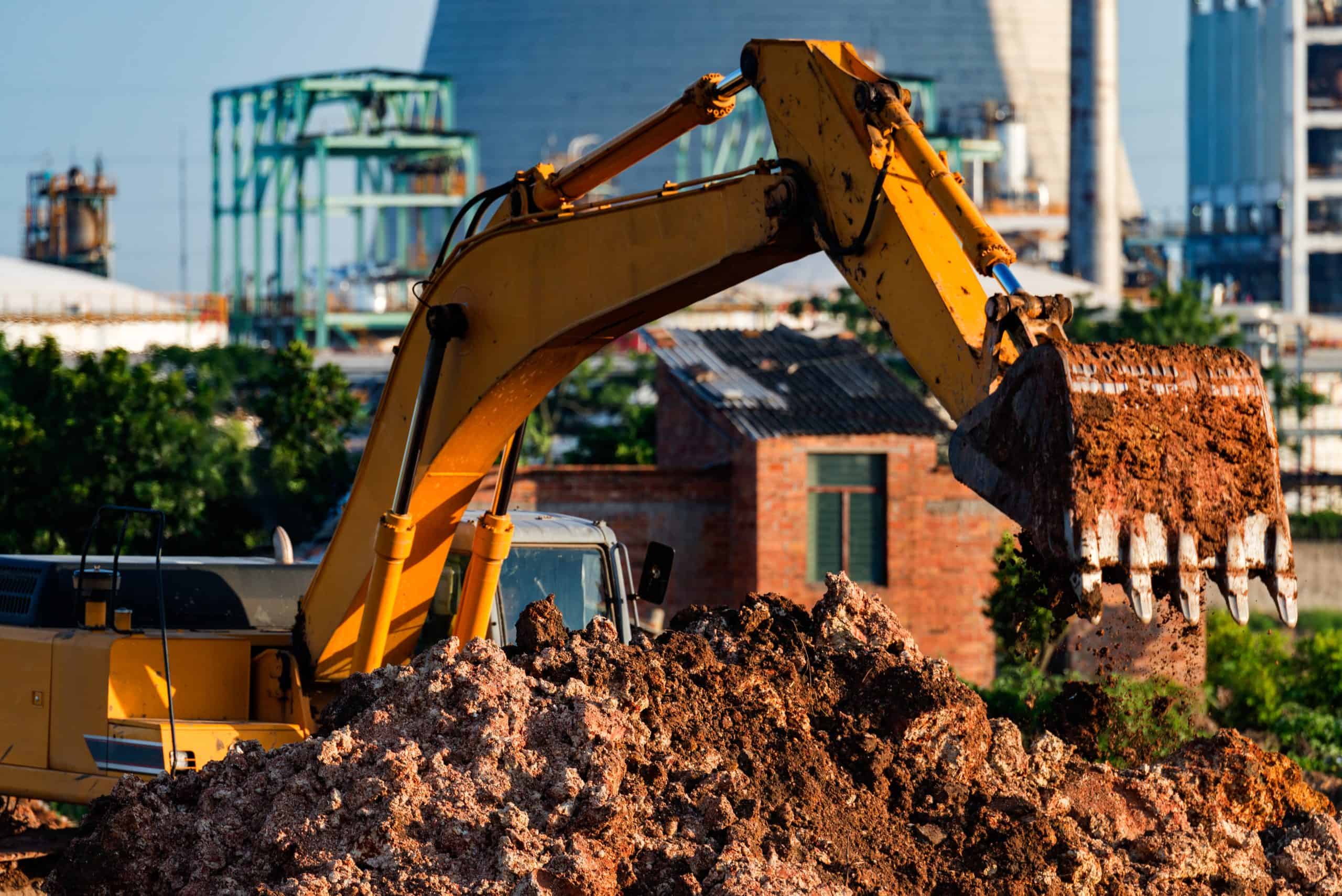
Excavator Types, Uses, Attachments and Applications: 2026 Reference Guide
Excavators run construction sites. These machines dig, demolish, lift, and grade better than anything else you’ll find on a job site.
You’ll see them everywhere, from tiny residential projects to massive mining operations. Mini excavators squeeze through garden gates, weighing just 1 tonne. Mining excavators weigh 100+ tonnes and reach across entire work areas.
Choose the wrong size and you’re stuck. Too big wastes money on unused capability. Too small can’t meet deadlines.
This isn’t about finding the machine with the most features. It’s about matching equipment to your actual needs so your projects stay profitable and on schedule.
Power Your Business with STM Trucks & Machinery
Whatever the size of your business, our experienced sales team will help you get the best from your budget.
What is an Excavator and How Does it Work?
An excavator consists of a boom, arm, bucket, and cab mounted on a rotating platform called the “house.” The house sits on an undercarriage with tracks or wheels.
Excavators excel at digging material below ground level, making them perfect for foundation work and trenching. They rotate 360 degrees without moving the base, which saves time in tight work areas where repositioning other equipment would be impossible.
The main advantage is their combination of precision control and substantial power. Operators can perform delicate tasks like placing pipes or rough work like breaking concrete, often switching between jobs simply by changing attachments.
How Excavator Hydraulic Systems Work
Hydraulic systems power all movements using pressurised oil. Engine-driven pumps circulate oil throughout the system, providing smooth control while generating tremendous force. Slight joystick movements produce gentle motions, while full deflection generates maximum speed and power.
Modern hydraulic systems automatically adjust pressure and flow according to work requirements, saving fuel without compromising power. Separate circuits for different attachments ensure that specialised tools receive exactly the hydraulic flow they need.
Essential Excavator Components and Anatomy
Undercarriage and Mobility Systems
The undercarriage keeps your excavator stable and gets it where it needs to go. You’ve got two main options: tracks or wheels. Most excavators use tracks because they spread the machine’s weight over a large area, which means less ground pressure and better stability on uneven terrain.
Steel tracks handle the toughest conditions you can throw at them. Rubber tracks are gentler on finished surfaces like pavement or landscaping. If you’re working around existing structures or on surfaces you don’t want to damage, rubber tracks are worth the extra cost.
Wheeled excavators move faster on hard surfaces and can drive on public roads without needing a trailer. This saves transport costs and time for some projects. But you give up stability and climbing ability compared to tracked machines. Wheeled excavators work best on level, firm ground where you need to move around quickly.
The track tensioning system keeps everything aligned properly and reduces wear. Drive motors provide the muscle for climbing slopes and working in challenging terrain. Quality undercarriage components may cost more upfront, but they save money over the machine’s life through reduced maintenance and longer service intervals.
Skip on undercarriage quality and you’ll pay for it later through frequent repairs and expensive component replacements.
Upper Structure: Cab, Engine, and Controls
Modern excavator cabs focus on keeping operators comfortable, safe, and productive. You’ll find ergonomic seating, climate control, and visibility that lets you see what you’re doing from every angle. Reinforced cab structures protect operators from falling objects, while sound insulation reduces fatigue during long work days.
Advanced suspension systems smooth out the ride on rough terrain. Operator fatigue leads to mistakes, reduced productivity, and safety issues.
Diesel engines power both the tracks and hydraulic systems. Modern designs emphasise fuel efficiency and emissions compliance while delivering the power you need. Engine placement varies between manufacturers, but most position engines for easy maintenance access while keeping weight distribution optimal.
Joystick controls have mostly replaced old-style mechanical levers. They provide a precise, low-effort operation that reduces operator strain. Display screens show machine parameters, maintenance schedules, and diagnostic information. This helps operators maintain peak performance while monitoring machine health.
Good controls make average operators more productive. Poor controls frustrate even experienced operators and slow down work.
Working Group: Boom, Arm, and Attachment Points
The boom connects to the house and provides the main vertical lifting motion, usually through a single hydraulic cylinder. Boom design affects reach, lift capacity, and overall machine stability. Manufacturers optimise boom geometry for specific applications, so what works for general construction might not be ideal for deep digging or material handling.
The arm extends from the boom and creates the digging motion when combined with bucket movement. Arm length determines how far you can reach and how deep you can dig. Longer arms give you greater reach but reduce breakout force and precision. It’s always a trade-off.
Attachment points utilise standardised quick-coupler systems that enable rapid tool changes without the need for manual pin removal. Modern couplers include hydraulic and electrical connections for powered attachments. This expands what your machine can do while reducing changeover time and labour costs.
If you regularly switch between different attachments, quick couplers save hours of labour on every job. Manual pin changes slow everything down and tie up crew members who could be doing productive work instead.
Types of Excavators: Size Categories and Specialisations
Mini and Compact Excavators (1-6 tonnes)
Mini excavators work where bigger machines can’t fit. They dig 2-4 metres deep and reach 4-6 metres out, perfect for residential construction and precision landscaping.
Since they weigh under 6 tonnes, you can haul them on standard trailers without permits. Transport costs stay reasonable, which matters for residential jobs with tight margins.
You’ll see them digging basements, building pools, trenching utilities, and planting trees. Low ground pressure won’t damage finished surfaces. They move less material per hour than larger machines, so factor that into project timelines and pricing.
Mid-Size Excavators (7-45 tonnes)
Most contractors choose mid-size excavators because they handle the broadest range of jobs. These machines dig 4-8 metres deep and reach 8-12 metres out with 50-350 horsepower engines.
They tackle major projects without overwhelming smaller jobs. Almost every attachment works with this size range. Larger machines need permits and specialised trailers, but extra capability often justifies the hassle.
Large and Heavy-Duty Excavators (45+ tonnes)
Big excavators handle mining, major infrastructure, and industrial sites requiring maximum production. They feature 300-700+ horsepower engines with 10+ metre dig depths and 15+ metre reach. Bucket capacities run 2-6+ cubic metres.
Everything costs more – fuel, maintenance, transport. The biggest machines need on-site assembly. Make sure your job site can handle the ground pressure and space requirements.
Speciality Excavator Types
Long-reach excavators extend 15- 30+ metres for river dredging and tall building demolition. Suction excavators use water and vacuum systems for precision work around buried utilities. Amphibious excavators are designed to work in wetlands where regular excavators would sink.
Most contractors never need speciality excavators, but when you do, nothing else works.
Essential Excavator Attachments and Their Applications
Digging and Earthmoving Attachments
General-purpose buckets handle everyday digging and loading, ranging from 0.1 cubic metres for minis up to 6+ cubic metres for large machines. Tooth configurations vary – general purpose for mixed materials, rock teeth for tough conditions, and cutting edges for grading.
Trenching buckets concentrate the digging force for utility work. Grading buckets provide smooth finishes for slope work. Tilt buckets angle without moving the machine, great for contour following.
Demolition and Breaking Attachments
Hydraulic breakers turn excavators into giant jackhammers with impact energy from 200-8,000+ joules. They excel at concrete removal and rock breaking, but increase maintenance requirements.
Pulverisers crush concrete while separating steel for recycling. Shears cut through steel beams and rebar. Multi-processors combine crushing, cutting, and pulverising functions with quick-change jaw systems.
Material Handling and Lifting Attachments
Grapples grab irregularly shaped materials, such as logs and scrap metal. You can add lifting hooks for crane work, but follow lift charts strictly and check local regulations.
Magnets handle ferrous materials in scrap yards. Clamps provide secure gripping for concrete blocks and precast components, ensuring a stable hold.
Specialised and Utility Attachments
Augers drill precise holes from 150mm to 2000mm+ diameter for foundations and utility poles. Torque requirements jump with diameter, so ensure adequate hydraulic flow.
Compactors provide soil compaction for backfill operations. Rippers break up hard ground and old concrete surfaces.
Quick coupler systems eliminate the need for manual pin removal, allowing for rapid attachment changes. They become essential if you regularly switch tools, reducing changeover time and labour costs.
Primary Excavator Applications Across Industries
Construction and Infrastructure Development
Foundation excavation requires precise depth control and clean excavation for concrete placement. Different soil conditions need different bucket types. Laser grading systems help hit exact depths and slopes. Paying attention to excavator safety on construction sites is critical, because poor foundation work costs serious money – concrete contractors won’t pour into sloppy excavations.
Utility trenching demands precision to avoid existing infrastructure while maintaining proper grades. Hit a gas line or fibre optic cable, and your small trenching job becomes a major incident with emergency crews and liability issues.
Road construction uses excavators for bulk earthwork, drainage installation, and pavement removal. Site preparation includes clearing and initial grading of the area.
Landscaping and Environmental Projects
Landscaping contractors use excavators for water features, terrain shaping, and drainage systems. Precision control works in tight spaces without damaging existing plants.
Tree planting benefits from auger attachments that drill precise holes while protecting root systems. Environmental cleanup requires careful soil handling to prevent the spread of contamination. Cutting corners on safety procedures can shut down projects and cost licenses.
Mining and Heavy Industrial Applications
Mining operations run around the clock. Breakdowns cost thousands per hour in lost production, making reliability more important than purchase price.
Overburden removal strips soil and rock to expose mineral deposits. Material handling in processing plants uses excavators for stockpile management and equipment feeding. You’ll need specialised attachments for different materials while protecting equipment from damage.
Municipal and Maintenance Operations
Road maintenance uses compact excavators for drainage cleaning and pothole repair. Working in traffic requires extra safety precautions – mistakes around moving vehicles have serious consequences.
Snow removal employs excavators with blade attachments. Emergency response includes disaster cleanup and utility restoration. Emergency work pays well but involves long hours in difficult conditions with limited site information.
Choosing the Right Excavator for Your Project
Assessing Project Requirements and Site Conditions
When it comes to selecting the right excavator size, start by calculating the amount of material you need to move and the speed at which you need to move it. Don’t just look at total volume – consider daily production requirements. A mini excavator might handle your total volume, but it may not be fast enough to meet deadlines.
Site access often determines machine size regardless of work volume. Measure access routes carefully – gate openings, bridge limits, overhead clearances, ground conditions. These factors frequently force smaller machines even when bigger ones would be more productive.
Check underground utilities and overhead obstacles before committing to machine size. Material characteristics matter too. Rocky conditions need higher breakout forces. Soft soils might require lower ground pressure machines to prevent getting stuck.
Cost Considerations: Purchase vs. Hire vs. Lease
Buying works best with consistent work to keep machines busy. You control maintenance schedules and build equity instead of paying someone else’s loan. But ownership means paying maintenance, insurance, storage, and depreciation whether the machines work or sit idle.
Short-term rental makes sense for specific projects or testing equipment. Rental rates include maintenance and insurance for predictable costs. But rates add up on longer projects, and good equipment gets scarce during busy seasons.
Long-term leasing sits between buying and renting, with lower upfront costs but more control than rental. Many deals include maintenance packages and upgrade options.
Deciding to buy or rent for an excavator comes down to calculate total costs including financing, insurance, maintenance, fuel, operator wages, and eventual resale value. Factor in utilisation rates – machines sitting idle half the time cost twice as much per productive hour.
Benefits and Advantages of Modern Excavators
Modern excavators work 5-10 times faster than manual methods while providing better precision. Hydraulic systems deliver consistent power throughout work cycles, resulting in predictable production rates that facilitate accurate scheduling and bidding.
Advanced control systems like GPS guidance and automatic grade control help operators perform better while reducing skill requirements. These systems improve accuracy while reducing rework and waste that eat into profits.
Operator protection through ROPS/FOPS cabs, visibility improvements, and stability monitoring significantly reduces accident risks. Remote operation capabilities handle dangerous jobs like demolition and hazardous material work from safe distances.
Maintenance monitoring through telematics tracks machine health and schedules preventive maintenance, identifying problems before breakdowns. Catching issues early costs less than dealing with failures that leave you scrambling for replacement equipment.
Maximising Excavator Value for Your Operations
Think about what you’ll actually use the machine for over several years, not just current projects. Buying for one job often leads to poor long-term decisions.
STM Trucks & Machinery brings extensive experience with Kobelco and other leading manufacturers to help match equipment with actual requirements. Their yards in Smeaton Grange, Queanbeyan West, and Unanderra stock properly evaluated machines. They understand that buying heavy equipment isn’t about features – it’s about finding equipment that makes money for your business.
Focus on capabilities that matter for your work. A basic machine handling jobs reliably beats a fancy one that sits idle or struggles with applications.
Take time to evaluate properly, get expert guidance, and choose based on actual requirements rather than impressive specifications. The right excavator serves you well for years. The wrong one reminds you of the mistake with every payment.