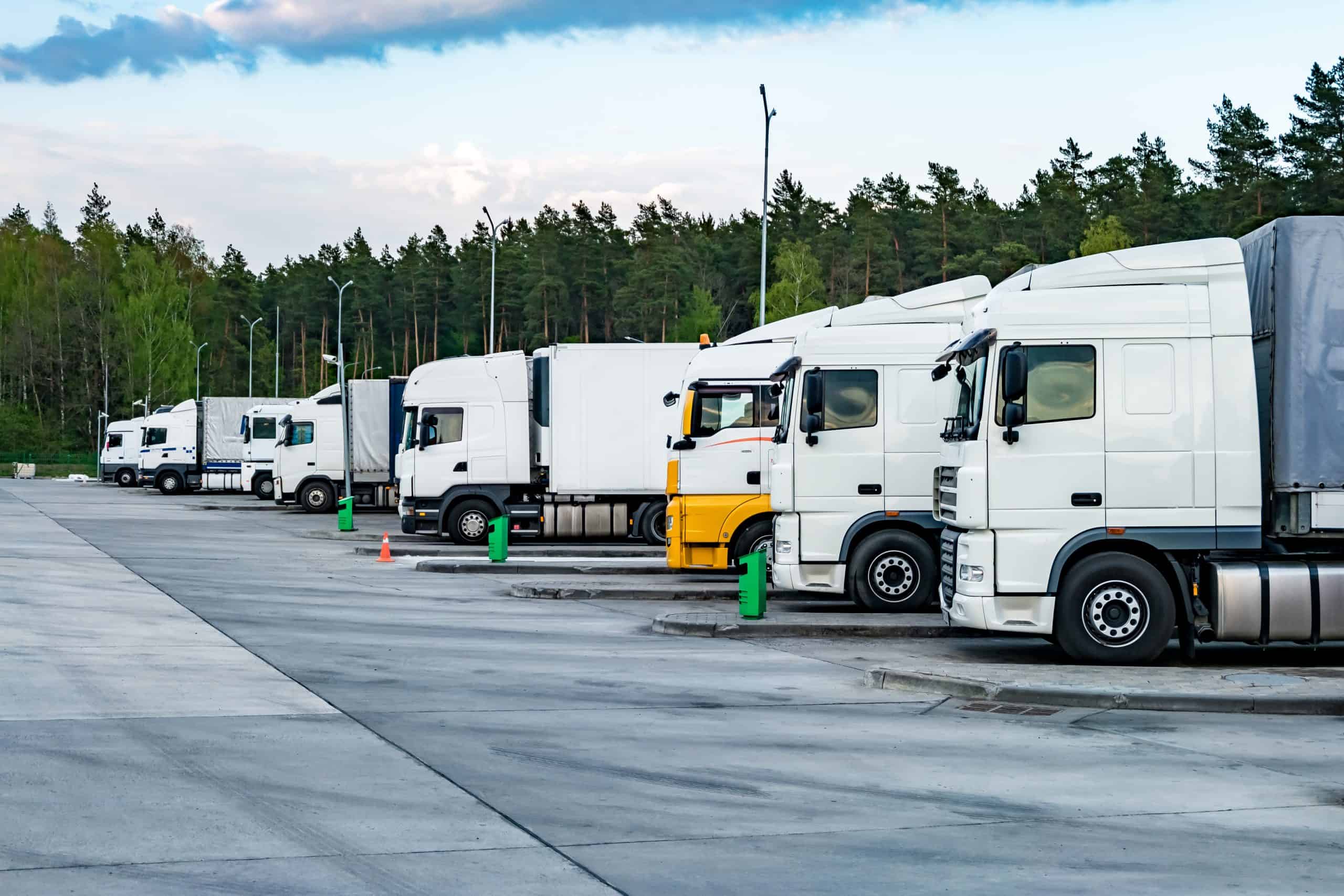
New Commercial Trucks: Benefits & Warranty Coverage
You’re scrolling used truck listings. The numbers look tempting. Maybe 40-60% cheaper than new. Inspection passed. Engine runs. Feels like a smart buy.
Then you remember last month. Broken down on the M7 in peak hour. A whole day’s income gone. Customer filthy. The tow ran somewhere between $400 and $600. And when the mechanic finally got to it, three more things needed fixing.
New trucks cost more upfront. Nobody’s going to pretend otherwise. But that higher price buys something the sticker doesn’t show. Reliability you can count on. Warranty cover so a failure doesn’t hand you a $15,000 bill. Predictable running costs across three years instead of a string of nasty surprises.
This isn’t about specs on paper. It’s about your truck starting at 38 degrees and making the Sydney-to-Melbourne run without dropping a load halfway. That’s the difference between billing the job and ringing a client to explain why you’re late again.
Here’s what new truck ownership actually delivers for NSW trade contractors, landscapers, small fleets, and owner-operators. What the warranty really protects. How new technology cuts running costs. When the premium makes sense and when used, it’s the smarter play. No sales pitch. Just the reality of keeping trucks working in Australia.
Disclaimer. Truck prices, warranty terms, finance rates, and transport rules change constantly. Everything here reflects 2025 conditions. Dollar figures, timeframes, and percentages are approximate ranges that vary by region, supplier, vehicle, and application. Your actual costs will differ. Verify current specs, pricing, and compliance with authorised dealers and Transport for NSW before you sign anything. This article is educational information only, not financial, tax, or legal advice.
Power Your Business with STM Trucks & Machinery
Whatever the size of your business, our experienced sales team will help you get the best from your budget.
How Modern Trucks Protect Your Revenue
New trucks aren’t just shinier versions of old ones. The engineering has moved on, and it shows up directly in whether you make money or lose it each day.
Reliability and Predictive Diagnostics
Buy new and everything is factory-fresh. Zero wear. No mystery about what the last owner did or didn’t do. No wondering whether someone ignored warning lights for months or ran overweight every day.
Current trucks break down less. Many fleet managers report far fewer unscheduled repairs in the first three years compared to 2015 to 2018 trucks at similar kilometres, though exact figures vary by manufacturer, model, and how the truck gets maintained. Better materials. Tighter tolerances. Quality control that catches faults before the truck leaves the factory.
Servicing is predictable too. Book it every 15,000 to 25,000 kilometres depending on the manufacturer, get it done, plan it around your slow weeks instead of firefighting a breakdown in your busiest.
Modern trucks watch hundreds of parameters in real time. Oil pressure. Coolant temperature. Electrical systems. Exhaust components. When something starts to go, you get a specific fault code before it becomes a roadside emergency. Old trucks give you a vague check-engine light. New ones tell you what’s actually wrong. Telematics pushes it straight to your phone, with service reminders arriving 1,000 to 2,000 kilometres before it’s due.
A bloke in Dubbo ignored a warning light for three weeks. Peak season, too busy to stop. The diesel particulate filter failed completely. Around $8,000 to fix, plus four days down. Modern systems warn you weeks out if you pay attention. This is the practical side of equipment downtime prevention, the difference between a planned sensor swap for a few hundred dollars and a catastrophic failure costing thousands.
Fuel Economy and Running Costs
Better fuel economy turns into real money. What a truck drinks comes down to size and load. A light truck like an Iveco Daily or Fuso Canter sits around 10 to 16 litres per 100 kilometres. A medium rigid like a Fighter runs into the high teens or low twenties under load. A heavy truck, or one carting a full load all day, climbs higher again. Across every class, current models use less than the older gear they replace. Real consumption shifts with spec, load, route, and driver, so track your own numbers rather than trusting a brochure figure.
Real-time fuel displays show what you’re burning. Cost per kilometre. Cost per delivery. Cost per shift. Driver feedback systems flag the habits that waste diesel, the hard acceleration, the idling, the wrong cruise speed. Drivers who see the numbers tend to lift their game within weeks.
Fuel savings might land somewhere between $3,000 and $6,000 a year for a typical operation, though yours depend entirely on your kilometres, current diesel prices, and driving patterns. Run the numbers on your own data, not a generic estimate. One contractor in Western Sydney swapped three older trucks in 2024 and reckoned the fuel drop alone saved around $8,000 across the year. He measured it carefully to be sure.
Warranty Protection Without the Nasty Surprises
Warranty cover protects your business from the kind of repair bill that puts small operators under. During the early years, when a major failure would hit hardest, the manufacturer carries the risk instead of you.
Powertrain cover usually runs 3 to 5 years or 150,000 to 300,000 kilometres, whichever comes first. Engine, transmission, diff, drivetrain. An engine replacement can run $12,000 to $35,000. A transmission rebuild, $8,000 to $15,000. A diff, $4,000 to $8,000. Those are the failures that wreck cash flow, and warranty takes them off your plate.
Full-vehicle cover usually runs 12 to 24 months across electrical, interior, HVAC, and hydraulics. Modern trucks run on computers, and when those systems fail outside cover, you’re often looking at $2,000 to $5,000 an incident. Emission systems often get extended cover, sometimes 5 years, because DEF injection, particulate filters, and SCR parts are expensive, in the $5,000 to $12,000 range.
Cover reaches past the driveline too. Most new truck warranties bundle 24/7 roadside assistance for the cover period. Towing, jump starts, lockouts, emergency fuel. The kind of help that turns a roadside disaster into a phone call. Most makers also offer a rust-through warranty of around three to five years against corrosion that eats into structural panels and the frame. That one earns its keep on the coast, where salt air goes after steel faster than anywhere inland. One more to check before you sign. Some warranties transfer to the next owner with the paperwork, and some don’t, and transferable cover can add a premium at resale, so get it in writing.
Here’s the catch that bites people. A contractor in Newcastle had his DEF system fail at 18 months. Over $10,000 to repair. Claim denied. His emission cover was 12 months, not the 5 years the marketing suggested. Read the actual warranty document, not the brochure.
That’s exactly why the fine print matters more than the sales pitch. For the granular side of all this, what Iveco and Fuso each cover, how Australian Consumer Law protects you beyond the factory terms, which maintenance you cannot skip, whether extended cover is worth paying for, the traps that void a claim like fitting non-approved parts or fluids, and how to actually win one, work through the dedicated new truck warranty guide. It goes deeper than this page needs to.
One thing worth knowing up front. Your warranty works at any authorised dealership across Australia, so a breakdown hundreds of kilometres from home base is still covered. That national network matters when you run interstate.
What Downtime Actually Costs You
Reliability sounds abstract until you break down mid-delivery. Then it’s the only thing that matters, because the moment the truck stops, the revenue stops with it.
Most transport and contracting businesses bill on utilisation. An idle truck earns nothing while the bills keep coming. Deliveries fail. Penalty clauses trigger. And customers move on. Commercial clients pick reliability over price, and plenty will switch carriers after a couple of missed runs, no matter how good your excuse. For an owner-operator, downtime is straight lost income with no one covering the insurance, finance, and fixed costs that roll in regardless. For a small fleet of two to five trucks, one failure forces load juggling, reschedules, and the odd blown customer commitment.
Then come the emergency costs. Rental rates, brokered freight, expedited repairs, all of it priced well above your normal running costs. Your drivers stay on the payroll producing nothing. The whole week’s dispatch gets knocked sideways.
Used trucks carry this risk in a way new ones don’t. A landscaper in Campbelltown bought a 2013 model at a good price. Complete transmission failure within weeks. Over $12,000 to fix, plus a long wait on parts, plus lost peak-season revenue and a couple of clients gone. The saving on purchase vanished several times over.
Want the real number for your operation? Add up a day’s lost revenue from unfilled work, emergency replacement transport, wages paid with nothing to show, and any penalty clauses. That figure is what reliability is worth to you, and it’s usually what justifies paying for cover and buying new.
Total Cost of Ownership Beyond the Sticker Price
Purchase price is only part of what a truck really costs you. Across five to seven years, fuel, maintenance, insurance, finance, downtime, and wages stack up well past the sticker. Count all of it, and the purchase itself is often only about a third of the lifetime spend. Leave your own wage out of the sum, which plenty of owner-operators do, and the purchase looks bigger. Either way, the sticker is the part most buyers fixate on and the smallest lever on the total.
For the first three years, while warranty is active, your acquisition costs cover the base price, NSW registration, stamp duty, ADR compliance, and delivery. Insurance on a new truck can come in lower than an equivalent used one thanks to better safety systems, though that varies by insurer and spec, so get real quotes. During cover, your maintenance budget is mostly scheduled servicing. On a light truck, that runs somewhere around $3,000 to $5,000 a year. A medium-duty rigid or a high-kilometre truck climbs well past that. Whatever the class, planned servicing during cover makes cash flow far easier to predict.
Years four through seven are a different story. Now you cover everything. A light truck under moderate use lands somewhere around $6,000 to $12,000 a year. A medium-duty truck, or one worked hard, runs higher again. Build reserves off your own truck’s class and kilometres, and plan for the top of your range, not the middle. Talk to operators running the same model and read the owner forums for the common faults.
Keep every service record, backed up to the cloud. A complete history lifts resale value, because buyers pay more when the maintenance is documented, and the risk is lower.
On tax, the ATO may let you claim depreciation on a commercial vehicle, and instant asset write-off eligibility shifts with your turnover, structure, and the current rules. This isn’t tax advice. Talk to an accountant who knows current Australian tax law and your situation before you bank on any particular treatment.
Financing Your New Truck
Understanding the finance structures lets you match repayments to your actual cash flow instead of creating strain.
A chattel mortgage gives you ownership straight away while the lender holds security over the truck. You may be able to claim both depreciation and interest as deductions under current rules, though verify that with an accountant. Hire purchase means the lender owns the truck until your final payment, and it usually needs less documentation, which suits newer businesses without a long financial track record. A finance lease means the lender owns the truck throughout, you pay for the use, and at the end you can buy it out at a residual, extend, or hand it back.
Each structure produces different tax treatment, and picking the wrong one for your situation can cost you well beyond the loan itself. Get a qualified accountant to weigh which fits your business.
Finance applications want the full picture. Recent financials, a couple of years of tax returns, business bank statements, ABN, and your structure details. Established businesses with proven profitability tend to get better rates, while newer operations face higher rates or bigger deposits. Approval speed depends on how clean your documentation is and whether the truck’s in stock.
Structure it conservatively. Base the repayments on your low-season revenue, not your peak, so the truck stays affordable in your weakest months. Where you can, set payment dates just after your customers usually pay. Balloon payments lower the monthly cost but leave a big final payment you’ll need reserves or refinancing to clear.
Speccing the Right Truck and Staying Compliant
Spec decisions drive your daily efficiency, fuel bill, payload, and whether the truck actually suits the work. Match the truck to what you really do, not to what you might do one day.
Get the GVM right. Too little and you’re forced into illegal overloading, which risks fines and your licence. Too much and you’ve paid for capacity you never use, and you’re burning extra fuel to cart it around. Pick the cab for your usual crew and load, and match the wheelbase to where you work. A long wheelbase gives you a bigger tray but a wider turning circle, which is a problem in tight suburban streets. Engine power should suit your routes and loads. Underpowered trucks drink fuel working too hard, overpowered ones cost more to buy and run. Two-wheel drive handles sealed roads fine. Four-wheel drive earns its keep only if you’re regularly on unsealed rural roads or rough sites, and it adds real cost, so don’t pay for it if you’ll barely use it. Then the body itself. Flat tray, drop-side, service body, tipper, crane. Match it to the loads you run most often, because a custom build adds cost and delays your delivery time.
A contractor in the Sutherland Shire bought a higher-GVM truck expecting efficiency gains, only to find it couldn’t access half the residential sites he worked at. He now runs a second smaller truck for most jobs. The lesson is simple. Analyse your actual work before you spec.
Two warranty traps hide in these choices. Run the truck over its GVM, and you void cover on the parts you overstress. Fit a tipper, crane, or service body without the maker’s written sign-off, and you can void cover on the affected systems. Get any body build approved before it goes on, not after.
On compliance, new trucks meet current Australian Design Rules through manufacturer certification, with the compliance plate fitted before the truck hits the dealer. Current ADR mandates electronic stability control and anti-lock braking as standard, which pre-2016 trucks often lack. The dealer usually handles registration paperwork, ADR certification, and plates.
Keep it legal after purchase too. Commercial trucks need periodic safety inspections and annual renewals. ADR and NHVR rules restrict certain modifications, so changing a body type or chassis setup can require engineering certification and a modification plate before it’s legal to run. Verify current requirements with Transport for NSW and the National Heavy Vehicle Regulator, because these change and they differ between states.
Choosing Your Dealer
Dealer choice shapes your ownership as much as the model does. Your dealer determines warranty service quality, parts availability during a breakdown, and how smoothly the whole thing runs.
A proper commercial service department needs the bays, the hoists rated for heavy vehicles, current manufacturer diagnostic software, and factory-trained techs who know your model’s common faults. Parts inventory depth decides how fast you’re back on the road. Dealers holding stock often turn repairs around in a day or two. Order-on-demand operations can stretch the same job to a week waiting on parts. Location matters as well, because a service centre a long drive away eats productive time every visit.
STM Trucks & Machinery runs three locations across New South Wales. Smeaton Grange in Western Sydney, Queanbeyan West near Canberra, and Unanderra on the South Coast. The workshop runs six days a week, takes B-Doubles, and backs it with 24/7 emergency support. Parts and delivery run twice daily around Metropolitan Sydney and reach the Southern Highlands and Wollongong every afternoon, with expedited options when a part is urgent. Inventory covers genuine and aftermarket for IVECO, International, FUSO, Kobelco, ASV, and Cummins.
Before you commit, get warranty applicability to your specific use in writing, not as a verbal assurance. Ask about typical service scheduling and turnaround. Ask whether they offer a loaner during extended repairs, because plenty of NSW dealers don’t. And test the emergency line after hours before you buy, so you know what response you’ll actually get.
New Versus Used, Making the Call
New trucks deliver reliability, warranty protection through the risky early years, and more predictable running costs. Used trucks make sense for operators with strong mechanical skills, real cash reserves to absorb a surprise repair, and the flexibility to handle unplanned downtime. New makes sense for operators without those reserves, and for any business where a truck off the road puts customer relationships and revenue at risk.
New trucks need more capital up front. That’s real, and it can’t be waved away. The value sits in operational predictability, financial protection, and fewer bad days. Whether that’s worth the premium comes down to your finances, your risk tolerance, and how directly your revenue depends on the truck running.
Don’t optimise for purchase price alone. Run the full multi-year number: price, finance, insurance, fuel, servicing, likely repairs, warranty value, and resale. The cheapest truck to buy is often the dearest to own.
STM offers tailored finance with flexible terms, fast approvals, and a “we come to you” service. Visit Smeaton Grange, Queanbeyan West, or Unanderra to compare cover across the range of new IVECO and FUSO trucks and work out which model suits your operation. Ask for written coverage terms, run your own total-cost numbers, and decide on current facts rather than old assumptions.
Your truck decides whether your business runs or stops. Every purchase decision should answer one question first. Will it start when you need it to? Choose a partner who understands that your business runs on reliability, not spreadsheets. With over 50 years behind them and three NSW locations, that’s the support STM is built to provide.
Final note. This analysis is educational information only. It isn’t financial, business, tax, or legal advice. Truck specifications, warranty terms, and pricing change frequently, and all figures here are approximate 2025 ranges, not quotes or guarantees. Verify everything through authorised dealers and manufacturer sources, and get all terms in writing before you buy. Tax treatment varies by business structure and current law, so consult a qualified tax professional. Australian transport rules, including ADR standards, differ between states and change periodically. Verify current requirements with Transport for NSW or your state authority and the National Heavy Vehicle Regulator before making a decision.